

Planning graphics for a stadium or major sports event requires more than preparing artwork and sending files into production. A successful program connects the event schedule, venue locations, creative approvals, material choices, production requirements, logistics, installation and removal.
The process begins with a complete understanding of the event and to work backward from the required installation date. Every graphic needs to have a defined location, dimensions, surface, approved file(s), production status, and installation plan.
For a reasonably defined program, Image Craft generally recommends allowing approximately 5-10 business days. Larger or more complicated projects may require additional time, and beginning earlier gives the project team more room to manage approvals, site conditions, and handle any unexpected changes.
Start With the Event Date and Full Project Scope
The event date may be fixed, but the production schedule depends on much more than the date itself, with the first step defining the full scope of the graphics program.
Important information includes:
- Event date and time
- Venue access dates and installation windows
- Number of venues or event areas
- Interior and exterior graphic locations
- Approximate quantities and dimensions
- Existing artwork and branding requirements
- Sponsors, teams and other stakeholders involved
- Required approval process
- Expected display duration
- Removal or changeover requirements
- Any broadcast, security or guest-access restrictions
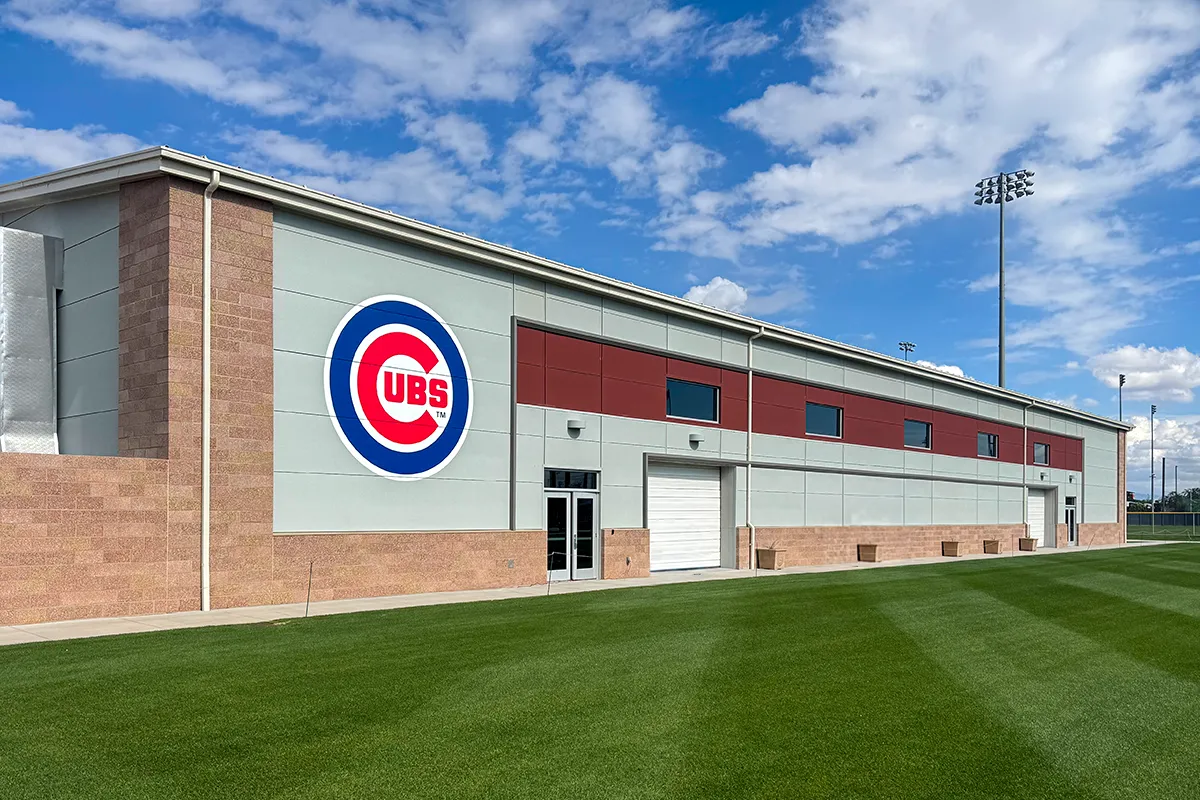
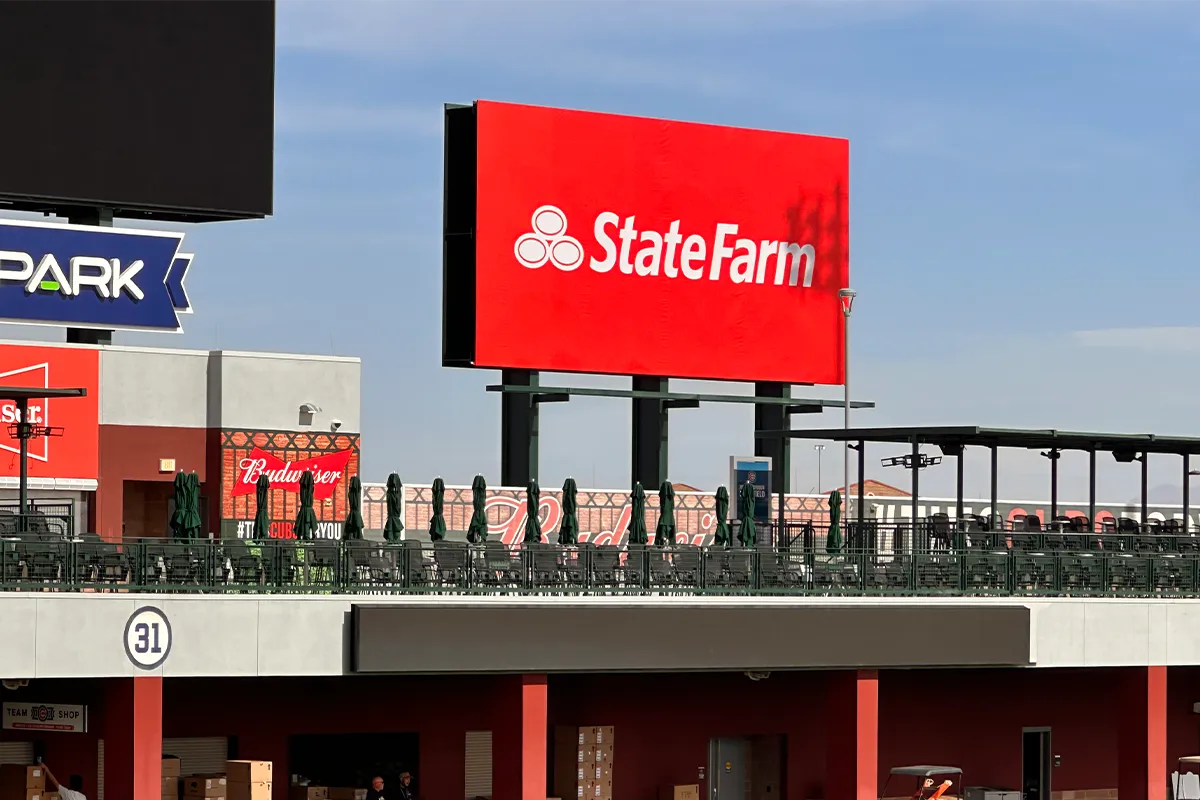
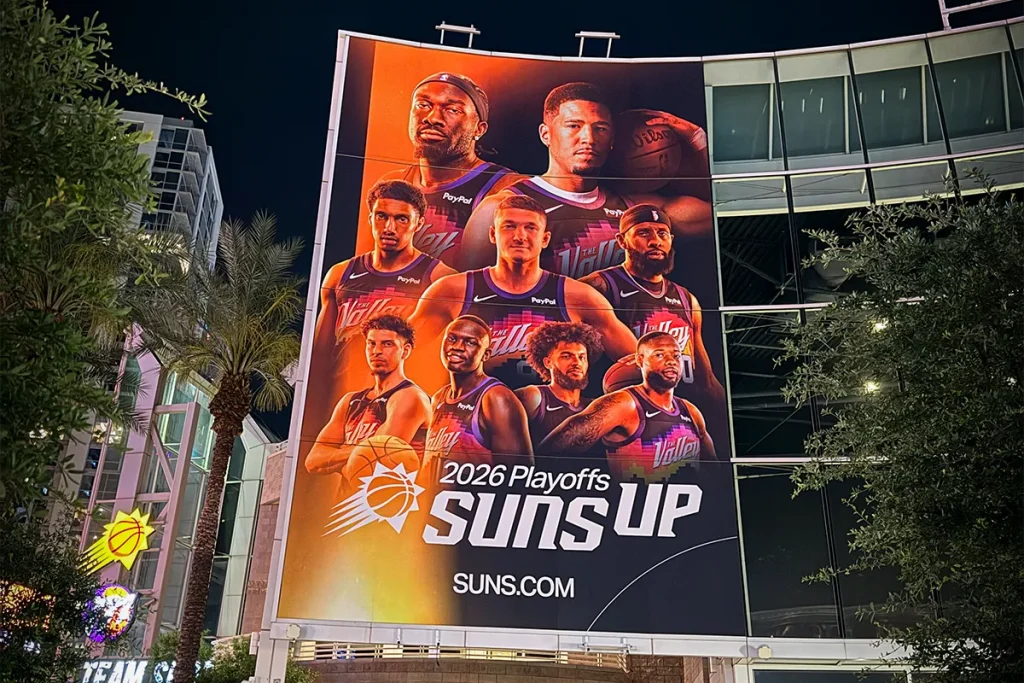
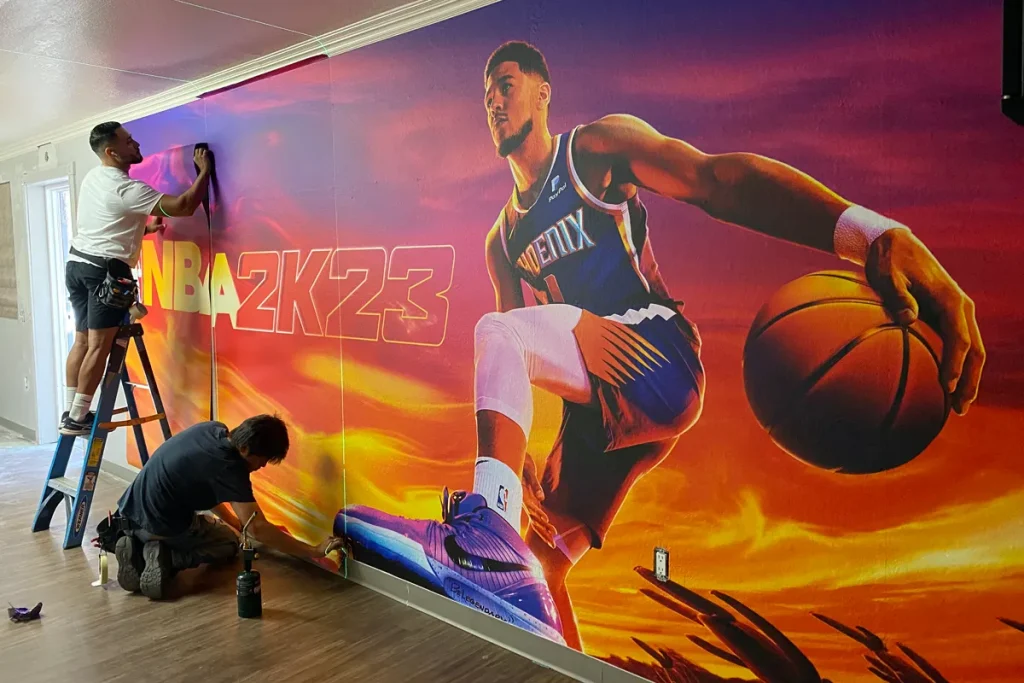
Scope should be considered by location rather than only by product type. Exterior building graphics, concourse signs, custom wall murals and team or event vehicle wraps may all belong to the same program, but each has different artwork, production and installation requirements.
This early definition helps the project team identify dependencies before they affect the schedule. It also gives the client a more realistic understanding of what must happen between initial planning and final installation.
Build a Location-by-Location Graphics Inventory
A graphics inventory creates the working foundation for the project. Each planned graphic receives a unique location or item ID that connects the physical space to its artwork, specifications, approval status and installation requirements.
A useful inventory may include:
| Project-control field | What it establishes |
|---|---|
| Item or location ID | A unique reference used across artwork, production and installation |
| Venue and zone | The building, entrance, concourse, suite, locker room or other area |
| Application | Banner, wall graphic, directional sign, dimensional display or related graphic |
| Dimensions | Confirmed finished size and orientation |
| Surface and environment | Interior or exterior conditions and the surface receiving the graphic |
| Display duration | How long the graphic is expected to remain installed |
| Artwork and approver | The assigned creative file and person responsible for approval |
| Production status | Preflight, proofing, approval, production and quality-control progress |
| Installation requirements | Access, equipment, crew, sequence and timing considerations |
| Removal plan | Whether removal, replacement or changeover is required |
Image Craft project managers commonly coordinate this information through a shared project-control spreadsheet. Internal production, logistics and installation teams can access the same working information, while the project manager maintains communication with the client.
The specific format may vary by project, but the principle should remain consistent: everyone should be working from one controlled source of information.
The inventory also helps expose missing details. If a location does not have confirmed dimensions, approved artwork or an installation method, that gap becomes visible before production begins.
Build the Schedule Backward From Installation
Once the scope and locations are known, the project schedule should be built backward from the installation deadline.
The schedule should account for:
- Site verification and final measurements
- Artwork development
- Stakeholder review
- Revisions and final approval
- File preparation and preflight
- Proofing or color review when required
- Material procurement
- Printing and fabrication
- Finishing and quality control
- Packaging and labeling
- Transportation or venue delivery
- Installation and final inspection
These activities should not be treated as interchangeable blocks of time. Production cannot reliably begin when artwork, dimensions or materials are still unresolved, and Installation may also require advance coordination with venue operations, security, facilities teams, or other contractors.
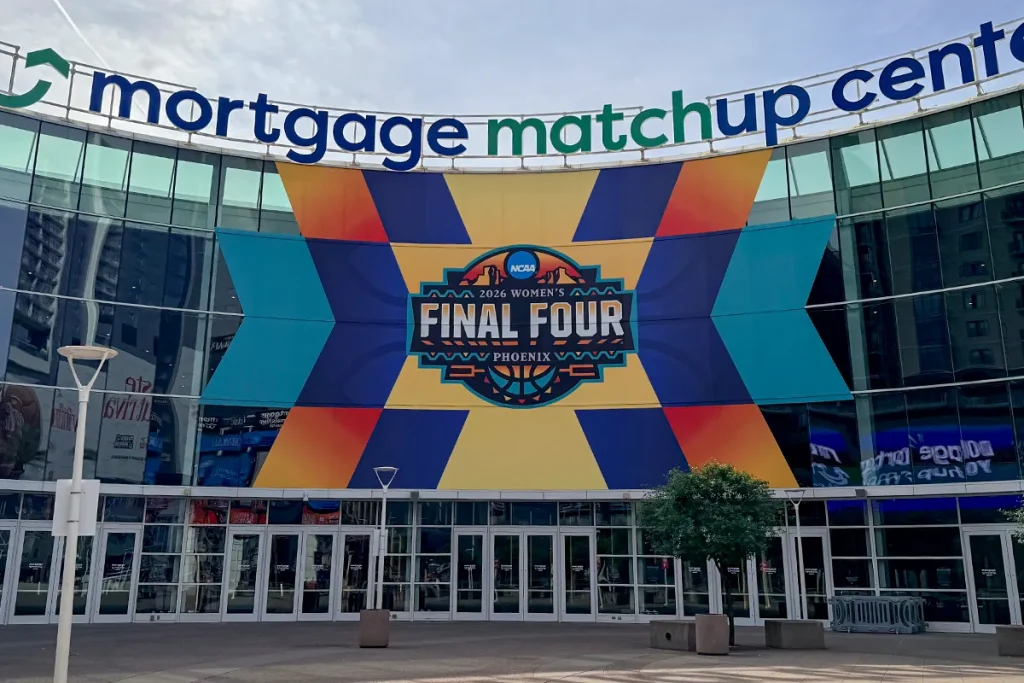
For many sports and event projects, approximately 5-10 business days is a reasonable planning target once the program is sufficiently defined. That is a guideline rather than a universal production commitment. Larger quantities, multiple venues, specialized fabrication, changing sponsor information, restricted access or complex installation conditions may require more time.
Beginning earlier also protects the quality of the finished work. It allows time to review files, resolve questions, produce the graphics, perform quality control and install the program properly.
Establish Clear Approvals and Version Control
Sports-event graphics often involve several stakeholders. Teams, sponsors, venue operators, event organizers, broadcasters and league representatives may all have approval responsibilities.
Without a defined process, one late logo update or sponsor change can create confusion across multiple files and locations.
At the beginning of the project, establish the following:
- Who supplies the artwork
- Who is authorized to request revisions
- Who provides final approval
- Which stakeholders must review specific graphics
- How consolidated feedback will be delivered
- Where approved files will be stored
- How file versions will be named
- What happens when a change is requested after approval
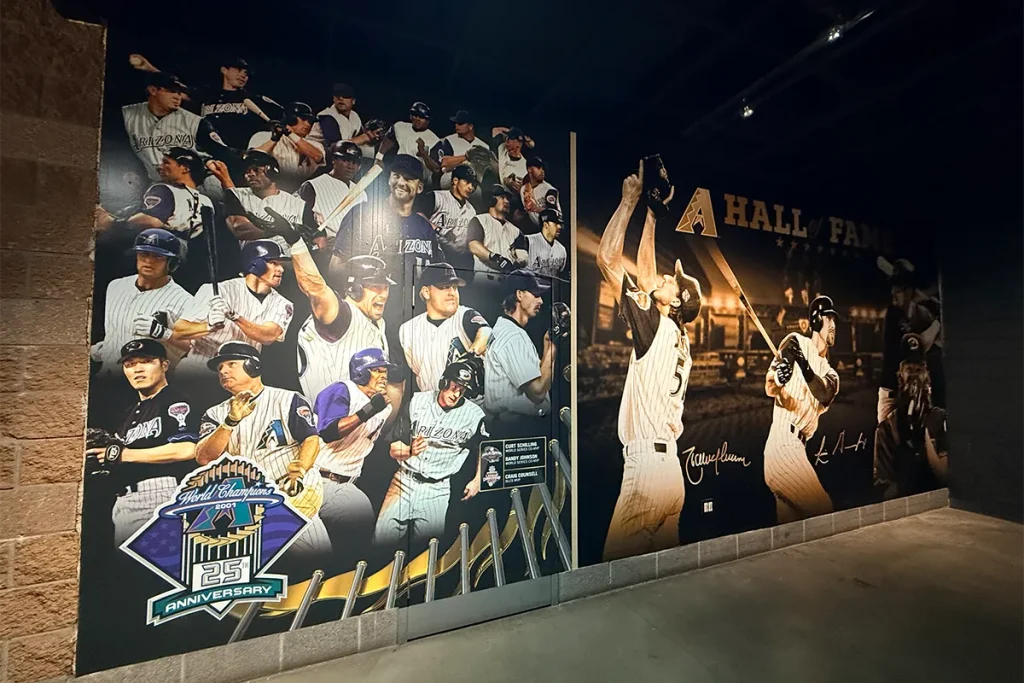
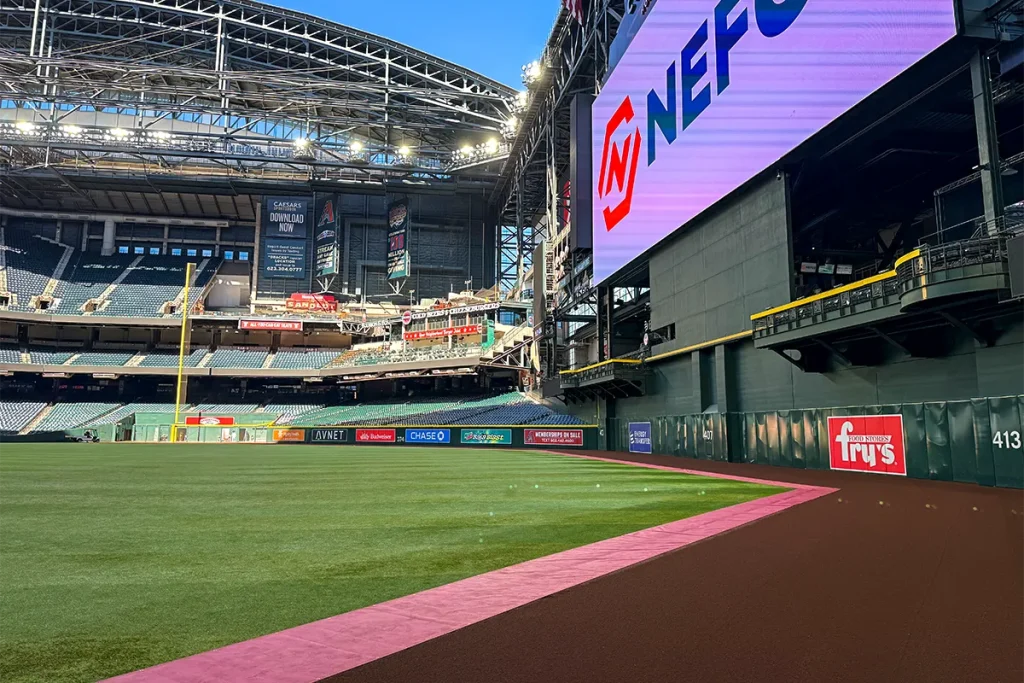
Each artwork file should connect directly to the location ID in the project-control document. The approved file, production record, package label, and installation plan should all reference the same identifier.
Feedback should also be consolidated whenever possible. Separate and conflicting comments from multiple reviewers increase the risk of rework, missed changes and schedule delays.
Late changes are sometimes unavoidable in sports and event environments. It’s just the nature of the business at times and we all adapt to it.
The project team should quickly determine:
- Which graphics are affected
- Whether production has started
- Whether completed pieces can still be used
- What schedule or cost impact the change may create
- Which person has authority to approve the revised direction
The goal is to make every change visible and deliberate.
Choose Materials for Each Venue Environment
Material selection should be based on the actual application, surface, environment, installation method and display duration. Using a single material specification across an entire venue can create unnecessary risk.
Exterior locations
Exterior stadium graphics may be exposed to heat, wind, moisture, sunlight and changes in temperature. Large elevations can also create demanding installation conditions.
The project team should evaluate:
- Expected display duration
- Surface type and condition
- Environmental exposure
- Wind considerations
- Viewing distance
- Attachment method
- Lamination or finishing requirements
- Installation access
- Local venue or jurisdictional requirements
Some exterior signs or displays may require permits or additional approvals, depending on the location, application and governing jurisdiction. These requirements should be investigated early rather than after production.
Fan-facing and high-traffic areas
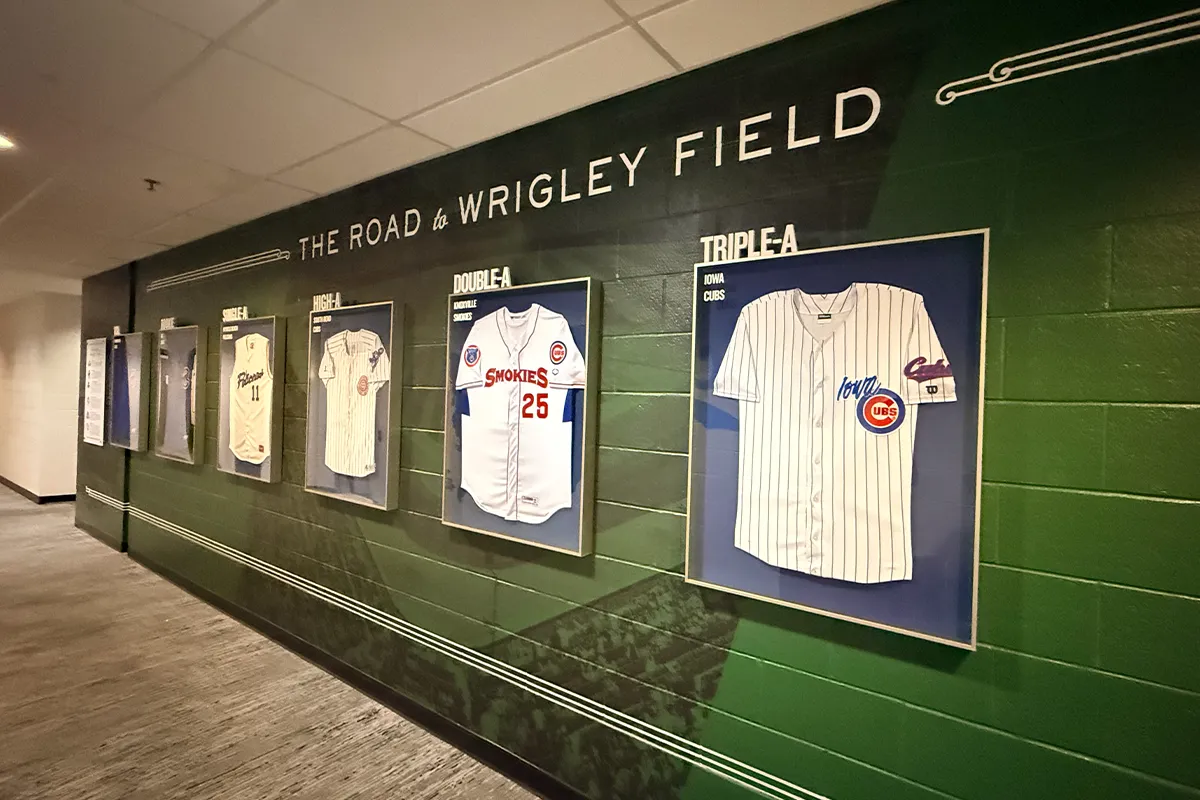
Entrances, concourses, hospitality spaces, and customer-experience corridors need to work within the movement of guests and venue operations.
Planning considerations may include:
- Visibility and viewing distance
- Pedestrian flow
- Venue wayfinding signage and directional clarity
- Durability in high-contact areas
- Surface protection
- Cleaning and maintenance
- Fire, egress or venue restrictions
- Installation timing in public areas
Graphics in these spaces often serve several purposes at once. They may reinforce event branding, support sponsors, direct guests, and shape the overall experience.
Team, media and operational areas
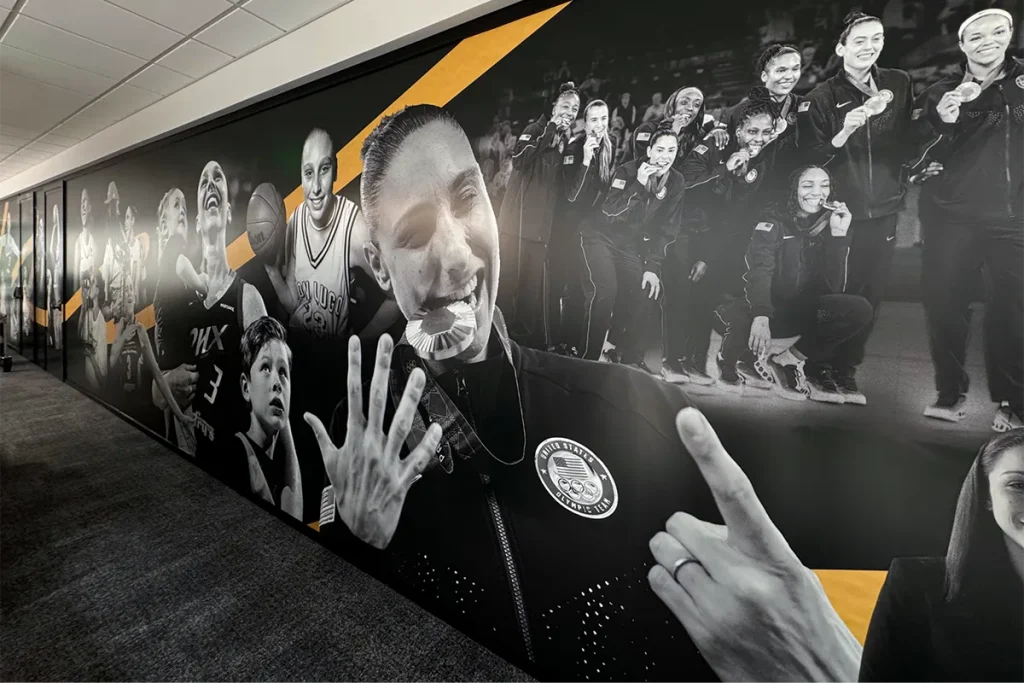
Locker rooms, interview spaces, media backdrops, tunnels and team-arrival areas may operate under tighter schedules than public-facing areas. Access may depend on team movements, security requirements, or broadcast preparation.
Artwork approvals and installation schedules should reflect those constraints. These areas can also require fast changeovers when multiple teams or events use the same space.
Temporary and reusable graphics
Some graphics are designed for a single event, while others may be stored and reused. The expected use affects material selection, construction, packaging and removal.
If reuse is planned, define:
- How the graphics will be removed
- Whether removal could damage the graphic or surface
- How pieces will be labeled
- How they will be packaged and stored
- Who will inspect them before the next installation
The right material decision balances appearance, performance, installation, removal, and budget.
Plan Installation Before Production Begins
Installation should be part of the production plan from the beginning. A graphic can be produced correctly and still cause problems if the crew cannot access the location, identify the correct piece, or install it within the available window.
The installation plan should address:
- Confirmed venue access
- Permitted work hours
- Security and credential requirements
- Loading and staging areas
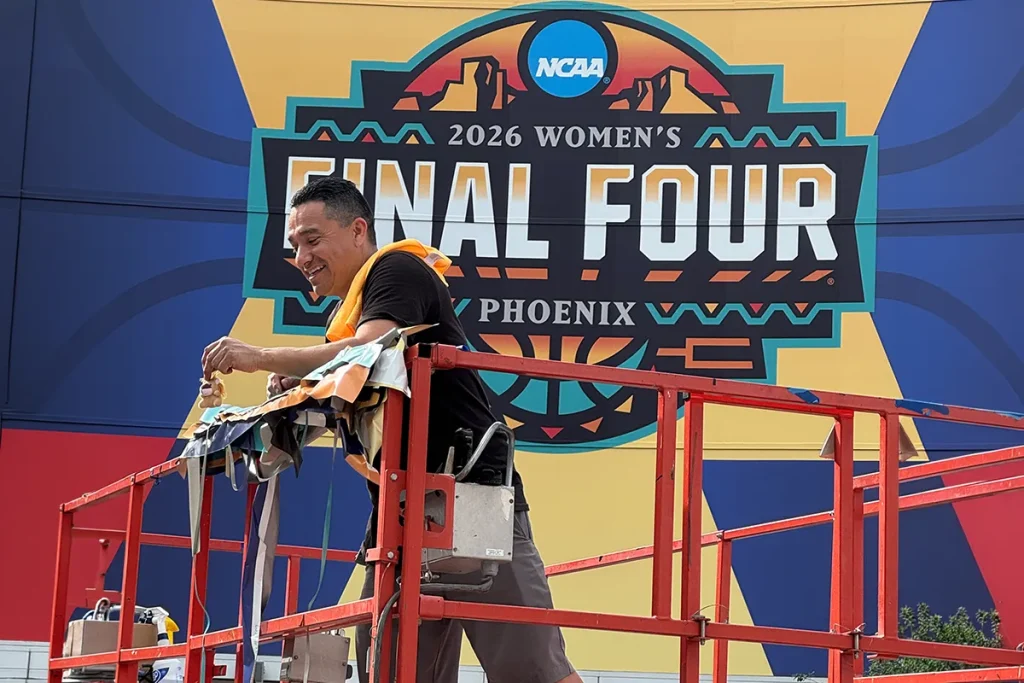
- Equipment and lift requirements
- Surface preparation
- Crew size
- Installation sequence
- Coordination with other contractors
- On-site decision authority
- Final inspection
- Removal or replacement requirements
Graphics should be packaged and labeled according to the installation sequence. Organizing pieces by venue, zone and location helps crews work efficiently and reduces the chance of a graphic being installed in the wrong place.
Installation order can also matter. Exterior work may depend on weather and equipment access, while interior areas may need to be completed around cleaning, furniture placement, broadcast preparation, or guest activity.
A designated on-site contact should have the authority to answer location questions and approve reasonable adjustments. If field conditions differ from the original plan, the installer needs a clear escalation path.
Contingency planning should focus on the most likely risks, such as:
- Delayed venue access
- Unavailable equipment
- Weather affecting exterior work
- Surface conditions that differ from the site survey
- Late artwork or sponsor changes
- Graphics damaged during transportation
- Conflicts with other contractors
Not every problem can be prevented, but clear responsibilities and communication make them easier to resolve.
Common Stadium Graphics Planning Mistakes
The most common problems usually trace back to timing and incomplete scope.
Beginning production before the scope is stable
Producing individual graphics while locations, dimensions, or stakeholder requirements remain unresolved can create duplicated work and inconsistent results.
Underestimating the approval process
A graphic may be technically ready but still delayed by sponsor, team, venue, or event-organizer review. Approval time should be part of the schedule.
Using unverified measurements
Dimensions taken from an outdated plan or general estimate may not reflect the actual installation surface. Critical locations should be verified before artwork is finalized.
Treating the entire venue as one environment
Exterior walls, interior corridors, temporary barriers, and transportation applications have different performance requirements. Materials and finishing should be selected by location.
Waiting until production is complete to plan installation
Installation can affect sizing, finishing, seams, attachment methods, packaging, and production order. It should be addressed before files reach the press.
Allowing uncontrolled file changes
Informal file sharing and unclear naming can lead to outdated artwork reaching production. Each final file should have a confirmed status and location ID.
Ignoring removal and changeover
Temporary graphics still require an end-of-event plan. Removal timing, surface protection, and disposal or storage responsibilities should be established in advance.
Compressing quality control
A tight schedule should not eliminate file review, production inspection, or installation verification. These controls help prevent a small mistake from being repeated across many pieces.
How Image Craft Supports Complex Sports and Event Programs
Image Craft approaches stadium graphics as a coordinated visual-communications program. Sales executives and project managers work with clients while coordinating information across prepress, production, logistics and installation.
Keeping these capabilities connected helps the team identify how a decision in one area affects the rest of the project. A late artwork change may alter the production sequence. A different material may change finishing or installation. A restricted venue window may affect packaging, transportation and crew scheduling.
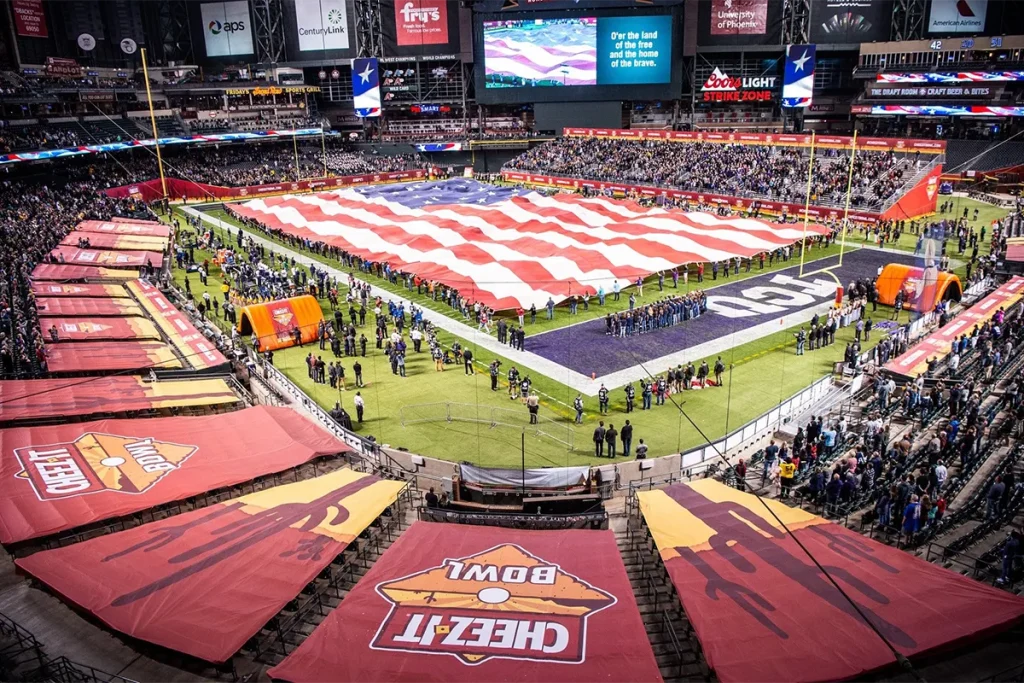
Image Craft’s sports and event work has included exterior stadium graphics, interior environmental graphics, wayfinding, locker-room applications, sponsor displays and transportation graphics. Recent examples include graphics produced for the Fiesta Bowl and Rate Bowl, previous college bowl game graphics programs and the 2023 World Series graphics project.
The objective is to give the client a clear process from initial scope through final installation, with communication at each important stage.
Stadium Graphics Planning Checklist
Before production begins, confirm that the project has:
| SCOPE AND SCHEDULE |
|---|
| ☐ A fixed event and installation date |
| ☐ A sufficiently defined venue and application scope |
| ☐ A location-by-location graphics inventory |
| ☐ A schedule built backward from installation |
| ☐ Time allocated for review, production and quality control |
| ARTWORK AND APPROVALS |
|---|
| ☐ Confirmed brand and sponsor assets |
| ☐ An assigned approver |
| ☐ A defined feedback process |
| ☐ Unique location IDs |
| ☐ Controlled file names and versions |
| ☐ Written final approval |
| PRODUCTION AND MATERIALS |
|---|
| ☐ Verified dimensions |
| ☐ Documented surfaces and environments |
| ☐ Material selections appropriate to each application |
| ☐ Finishing and lamination requirements |
| ☐ Proofing requirements |
| ☐ Packaging and labeling instructions |
| INSTALLATION AND CLOSEOUT |
|---|
| ☐ Confirmed access windows |
| ☐ Security and equipment arrangements |
| ☐ An installation sequence |
| ☐ An on-site decision-maker |
| ☐ Contingency plans for likely risks |
| ☐ Final inspection responsibilities |
| ☐ Removal, replacement or storage instructions |
Plan Your Next Sports or Event Graphics Program
The strongest stadium graphics programs begin with clear scope, realistic timing, and shared project information. When artwork, production, logistics, and installation are coordinated from the beginning, the team has more control over quality, consistency, and the event deadline.
If you are preparing graphics for a stadium, arena, tournament, bowl game or major event, involve your production partner early. Image Craft can help evaluate the scope, organize the program and coordinate production through installation.
Discuss your sports and event graphics project with Image Craft.


