Why Sustainability Matters in 2025
Demand for large graphics keeps growing, yet buyers now weigh carbon impact alongside color accuracy. Sustainable printing already commands a global market of more than 3 billion (USD) and is forecast to grow at 7–8% a year through 2030, based on research from Grand View.
Sustainability has become a standard part of the conversation for architects, contractors, and project managers. Many bids and building plans now require proof that materials are safer, cleaner, and more energy-efficient. Using recyclable substrates, low-VOC inks, and lower-energy printing methods can help your project move through approvals more smoothly and avoid costly changes down the road. By making eco-friendly choices now, you not only meet today’s expectations but also show your brand is forward-thinking and responsible.
Below, we break down five smart print and brand choices that reduce environmental impact without compromising on quality or visual impact.
1. Water-Based and UV-LED Inks Deliver Clean Color

Traditional solvent inks release high-VOC emissions. Water-based and UV-LED formulas cure cool, cut fumes, and reduce energy use without sacrificing vibrancy. The latest market data shows these inks leading adoption as brands search for environmentally safer options. At Image Craft, we’ve embraced these ink technologies to help our clients meet environmental goals without compromising on visual impact.
Quick tip: Specify water-based inks for indoor graphics, then add a UV-LED clear coat if the piece faces intense sun.
2. Recycled Fabrics Give SEG Displays a Second Life

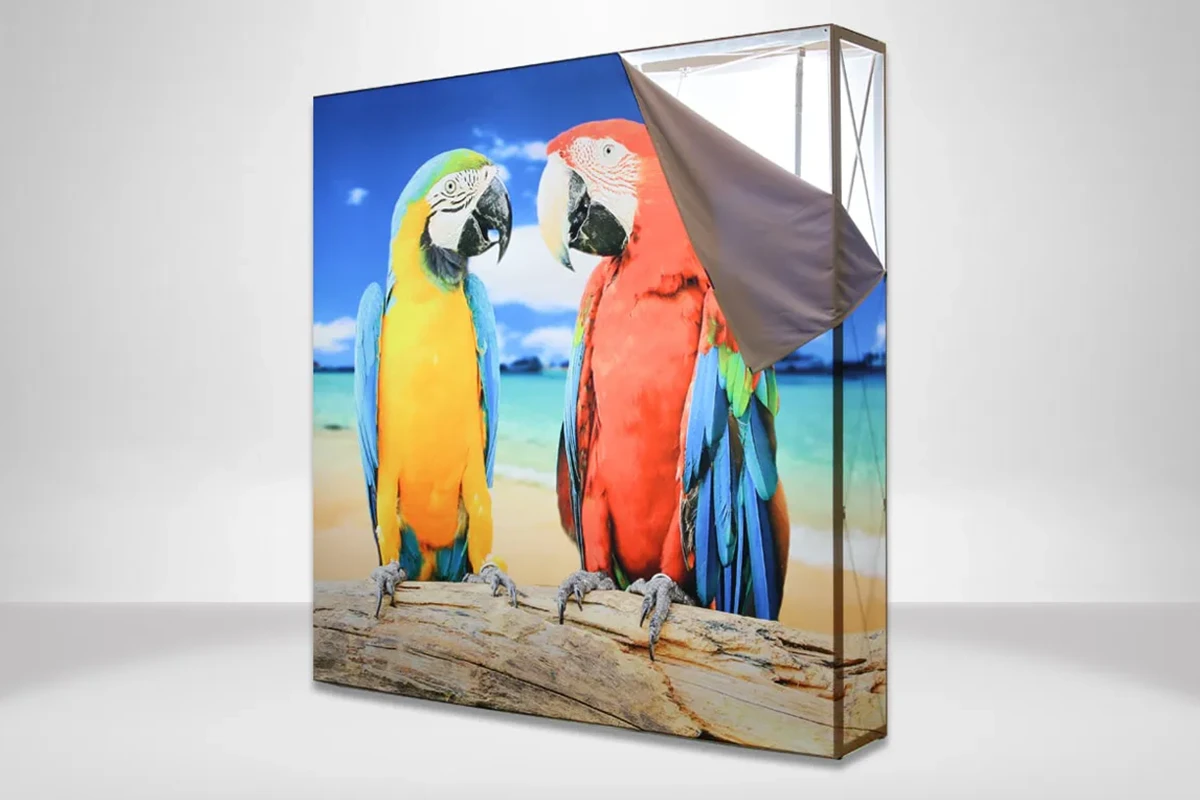
Silicone-edge graphics (SEG) printed on fabric remain a go-to for retail and events. New textiles made from 100% post-consumer or up-cycled marine plastic let your display frame stay the same while the print surface turns waste into storytelling.
Specifier checklist
- Confirm the fabric’s recycled content certification (GRS, SEAQUAL).
- Ask for dye-sublimation with water-based inks to keep the process solvent-free.
3. PVC-Free Wallcoverings Protect Indoor Air Quality

PVC (polyvinyl chloride) has been a common material in wallcoverings for years, but many hospitality and corporate design teams are now shifting to PVC-free alternatives. Wallpaper materials like polyester scrim, non-woven cellulose, and polypropylene offer a cleaner option, especially when paired with low-VOC adhesives. These choices not only support healthier indoor environments but can also contribute toward LEED certification, according to guidelines from the U.S. Green Building Council.
4. Plan With the Finish Line In Mind

Think about what happens to your graphics once they’ve done their job. Choosing materials that can be easily broken down or reused (like aluminum frames that disassemble or single-material prints like UltimateMetal) makes recycling much more practical. And by working with a recycling partner ahead of time, you can keep printed textiles and hardware out of landfills. Adding simple disposal instructions to your project specs helps ensure nothing gets tossed when it doesn’t have to.
5. Sustainability Boosts Brand Perception
In today’s market, sustainability isn’t just a buzzword — it’s a significant factor influencing purchasing decisions. According to recent industry insights, a substantial majority of print service provider (PSP) customers now demand sustainable products and practices. This shift reflects a growing consumer awareness and preference for environmentally responsible options.
By choosing materials like recycled fabrics and low-VOC inks, businesses can align their branding with these values, turning every printed piece into a testament to their commitment to the environment. This approach not only meets current consumer expectations but also positions the brand as a forward-thinking leader in sustainability.
The Image Craft Approach
When it comes to sustainability, Image Craft takes it very seriously. That means carefully evaluating every material we use, offering options like recycled fabric for SEG displays, PVC-free wallcoverings, and energy-efficient printing with water-based or UV-LED inks. Our team is here to help you choose the right materials, get the color just right, and plan for what happens to your graphics after they come down, so you can hit your sustainability targets without sacrificing quality.
Let’s Make It Greener
If you’re planning a new project, we’ll help you find the most eco-friendly path forward. One that fits your budget, timeline, and brand goals. The result? Graphics that stand out and do good. Chat with our team today or call us directly at (800) 274.2422.